Physical anti-facial-recognition gear (IR glasses, dazzle makeup, masks) works against some systems some of the time, but modern AI is good enough to defeat most of it. The most practical defense isn't hiding from cameras — it's getting your face removed from the databases those cameras feed into.
What's Actually Watching You
Before you can hide from facial recognition, it helps to understand the full scope of what's pointed at you. It's not just security cameras anymore.
Street & City CCTV
Over 1 billion cameras worldwide, growing 30% annually. London alone has ~700,000. Most modern cameras feed into face recognition systems like NEC NeoFace, Hikvision, and BriefCam.
Smart City Networks
Cities like Singapore, Shenzhen, and Moscow operate centralized face recognition that links thousands of cameras. London's Met Police uses live face rec at events, demos, and public spaces.
Doorbell & Home Cameras
Ring, Nest, Wyze, Eufy. Ring shares footage with 2,000+ US police departments. Many doorbells run on-device face recognition and alert neighbors when "unknown" people approach.
Drones & Robot Dogs
Boston Dynamics' Spot is deployed by NYPD and several state police. Chinese police drones routinely identify protesters from above. Skydio and Anduril make autonomous drones with face-rec capability.
Smart Glasses
Meta Ray-Ban glasses are widely worn and reportedly testing facial recognition integration. Harvard students proved in 2024 that pairing them with PimEyes turns wearers into walking identification machines.
Retail Cameras
Stores increasingly run face recognition for "loss prevention." Facewatch (UK), Blue Line Technology (US), and Verkada cameras all match shoppers against shared "suspect lists" — often with high false positive rates.
Airport & Border
TSA biometric boarding is rolling out at 25+ US airports. International borders use Idemia, NEC, and Vision-Box systems. Your passport photo is now a permanent face template in government databases.
Other People's Phones
Every person around you carries a 4K camera. Photos posted publicly to Instagram, TikTok and other social sites can be scraped into databases like Clearview AI without consent.
The scale is the point. You cannot avoid being recorded. The question is whether the recordings can be linked to your identity — which is what facial recognition does.
Hardware Countermeasures
This is the most-Googled category. Here's what actually exists and how well it works.
IR-Reflective Glasses (Reflectacles, Phantom)
Glasses with lenses that reflect infrared light. Many surveillance cameras (especially night vision and TSA-style scanners) rely on IR illumination. Reflective lenses cause the camera to see a bright glare where your eyes are, breaking face detection.
Brand example: Reflectacles ($165–$210). They look like normal sunglasses to humans.
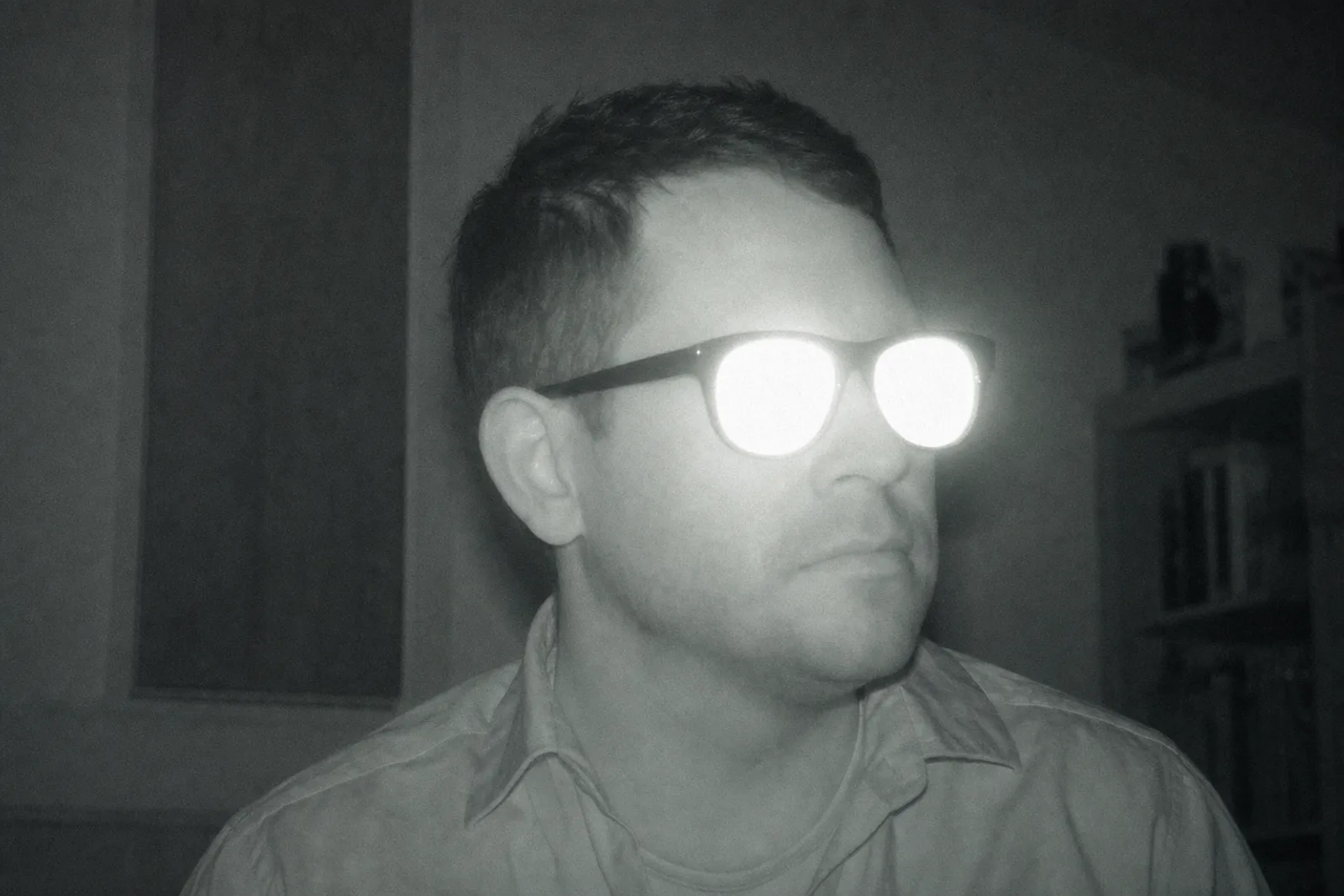
Caveat: Only works against cameras using IR. Daytime visible-light cameras see right through. Some jurisdictions (China, parts of US) have proposed banning them.
IR-Emitting Hats / Glasses
Hats or glasses fitted with IR LEDs that overpower the camera sensor. The camera sees a bright halo where your face should be — completely defeating detection.
DIY: Build kits exist for ~$30. The "Privacy Visor" (Japan) was an early commercial attempt.
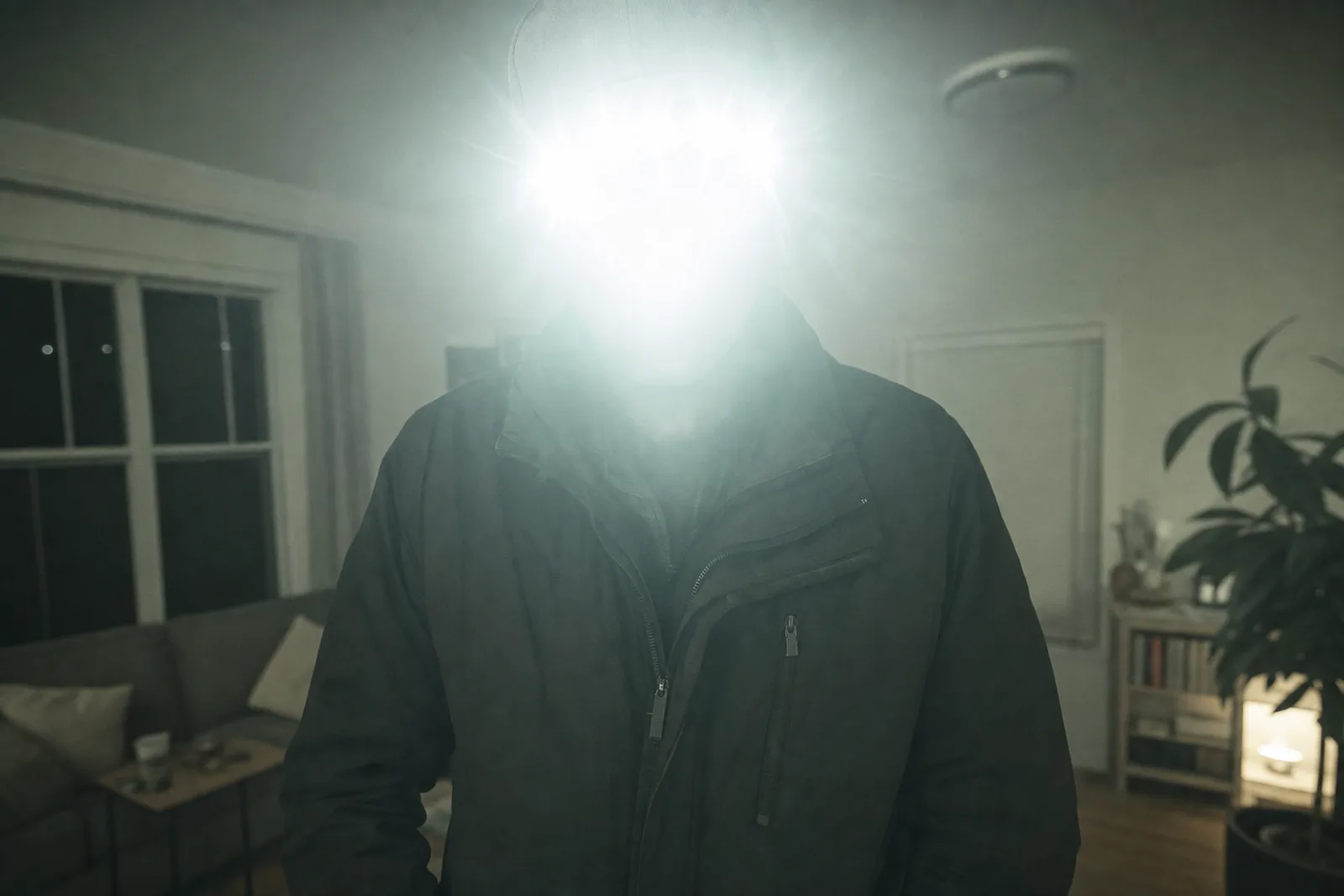
Caveat: Battery powered, finicky, and can look conspicuous. Modern cameras with IR cut filters bypass them. Some airports treat this as suspicious.
Face Masks (Surgical, N95, Fashion)
Standard masks were a goldmine for privacy during 2020–2022. Most face recognition systems struggled when half the face was hidden. But systems have adapted — RetinaFace, SCRFD, and YuNet now match masked faces with ~85% accuracy from the eyes alone.
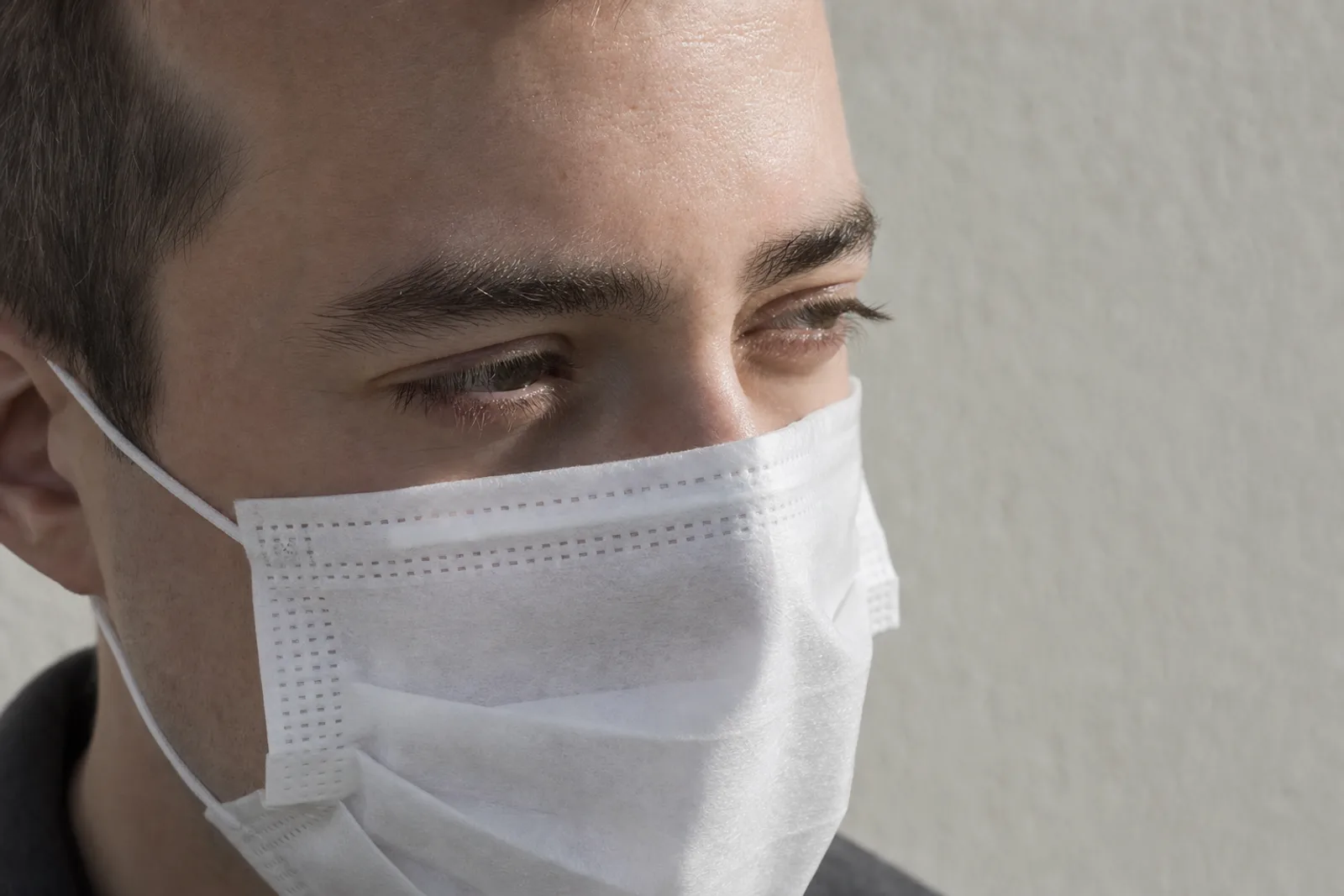
Caveat: Some jurisdictions (NY subway, certain protests) ban masks. And masks are decreasingly effective against modern systems.
Caps, Wide-Brim Hats, Hoodies
Lowering your face below camera height blocks high-mounted CCTV. Brims cast shadows that confused early face detectors.
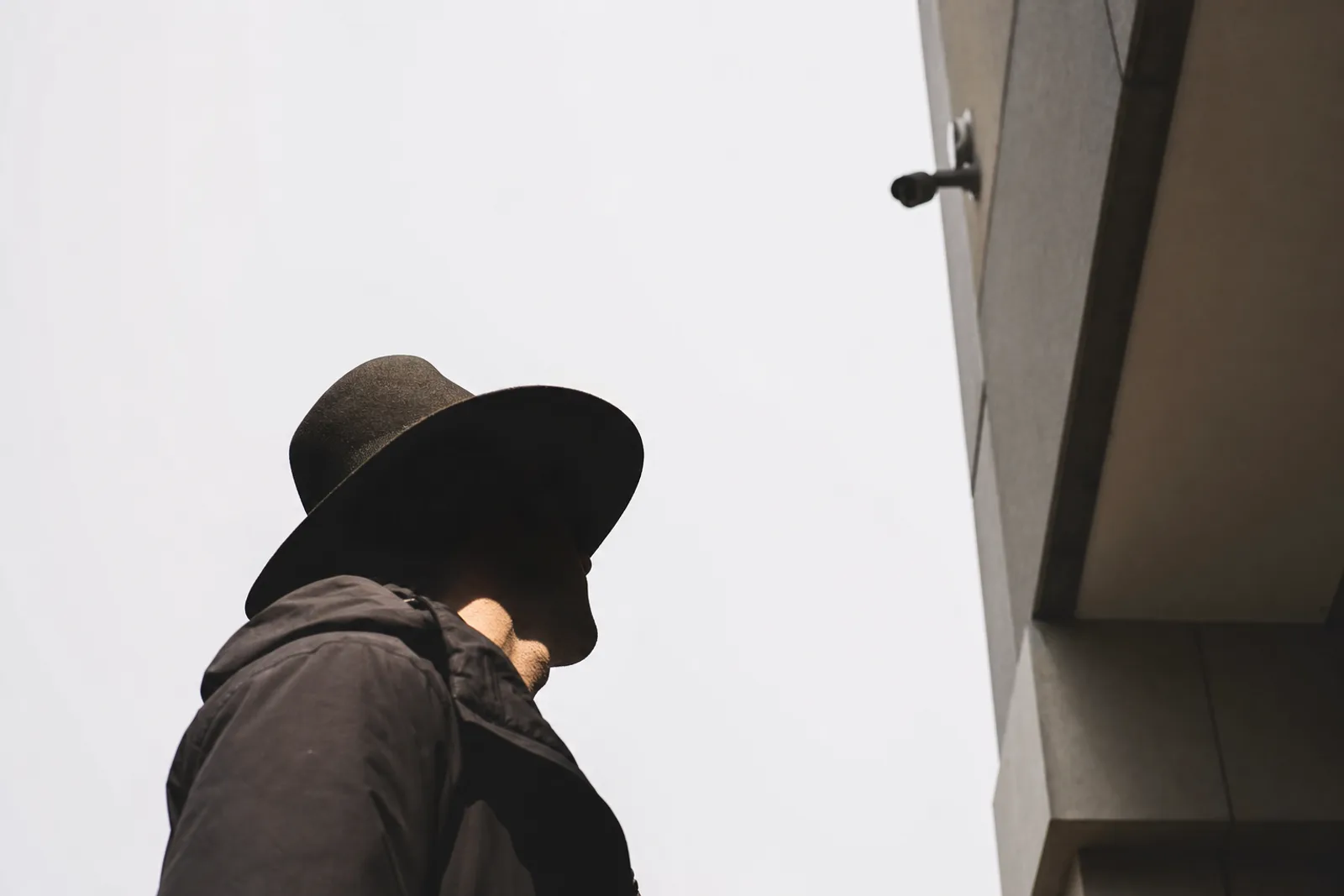
Caveat: Modern detectors handle partial occlusion well. Useful only against very specific camera angles, and impossible at TSA-style face-on scanners.
CV Dazzle & Anti-Recognition Makeup
CV Dazzle is a project by Adam Harvey (2010) that used asymmetric makeup patterns and hair to break the assumptions early face detectors made about facial geometry. It became internet famous.
The original CV Dazzle defeated Viola-Jones (2001-era detection). Modern deep learning detectors like RetinaFace (2019) and YuNet (2023) easily handle dramatic makeup. CV Dazzle stopped working as designed around 2017.
Newer attempts like "Juggalo makeup" (the iconic black-and-white face paint) had a brief viral moment in 2017 because it disrupted Facebook's tag-suggest. It no longer reliably works on modern systems.
Caveat: Wearing dramatic anti-recognition makeup in everyday settings actually draws more attention from human security. The novelty defeats the purpose.
Adversarial Fashion
Clothing patterns specifically designed to confuse face recognition or object detection AI.
HyperFace fabric (Adam Harvey)
A pattern that looks like dozens of tiny faces, designed to flood face detectors with false positives. The detector picks up so many "faces" that finding the real one becomes hard.
Reality check: Defeats detection on some systems. Doesn't help once a system already has a known face template to match against.
Anti-License-Plate Shirts (Kate Rose)
Shirts printed with fake license plates that confuse Automatic License Plate Reader (ALPR) systems. Same concept as HyperFace, applied to a different surveillance system.
Reflectacles Phantom (clothing)
IR-reflective fabrics made into hoodies and jackets. Effective against IR-based cameras, useless against standard daytime cameras.
"Manifesto Collection" (Cap_able)
Italian brand that uses adversarial AI patterns in knitwear. Confuses some object detection systems by making the wearer appear as a zebra or giraffe.
Reality check: Cute concept, narrow real-world effectiveness. Each new model has to be tested against to validate.
Behavioral Tactics
Things you can do without buying gear:
✓ Don't post photos publicly
Every public photo is potentially scraped into PimEyes, Clearview, and others. Going private on Instagram dramatically reduces new exposure (though existing photos stay indexed).
✓ Avoid linked-photo events
Conferences, marathons, weddings, and protests publish photo galleries. Even if you don't post, photographers do — and your face gets linked to the event.
✓ Pay cash where possible
Stores using face recognition often correlate with payment data. Cash transactions are harder to link.
✓ Opt out of TSA face scans
TSA biometric boarding is technically optional. You can decline and use your physical ID. Make sure to ask explicitly — agents often won't volunteer this.
✓ Disable face features in your apps
Facebook, Google Photos, Apple Photos, Snapchat all have face features. Turn them off, even though they may have already built models from your previous photos.
✓ Be deliberate about who photographs you
Friends with public Instagrams or work LinkedIn profiles will tag you, indexing your face by name. Ask not to be tagged.
The Hard Truth About Hiding
Here's what every honest privacy researcher will tell you:
1. Modern face recognition is good enough to defeat most physical countermeasures.
What worked against 2015-era systems (CV Dazzle, masks, hoodies) doesn't reliably work against 2026-era systems. Deep learning models learn from every adversarial attempt. Each year, the gap narrows.
2. The cameras aren't the real problem — the databases are.
A camera that sees you is harmless if there's no database to match you against. A photo of you in PimEyes can be matched against any future camera footage, even if you're wearing perfect anti-recognition gear in that footage. Your reference photo is what makes you findable.
3. Hiding your face in public is increasingly impractical.
Wearing IR glasses to the grocery store, dazzle makeup to work, masks at a concert — the friction is high. Most people who try these methods give up within weeks because they're conspicuous and uncomfortable.
4. The cat-and-mouse game favors the cameras.
When new countermeasures emerge, AI vendors update models within months. There's no stable equilibrium where a $200 pair of glasses keeps working forever.
What Actually Works in 2026
Given that physical hiding is hard, the practical privacy strategy in 2026 is:
Remove your existing face data from databases
If your face isn't in PimEyes, Clearview AI, FaceCheck.ID, or other facial recognition databases, then a stranger taking your photo can't link it to your identity. This is the single most important step, and it's exactly what FacePrivacy does.
Reduce new exposure
Going private on social media, asking friends not to tag you, declining to be photographed — these slow the rate at which your face gets re-indexed.
Use physical countermeasures situationally
For high-risk situations (protests, sensitive meetings), masks and IR glasses still help. For daily life, they're impractical and not worth the friction.
Blur faces before sharing photos
If you post photos that include your face, blur them first. Use our free blur tool — it works locally in your browser and there's no upload.
Hide from facial recognition the right way
FacePrivacy submits removal requests to PimEyes, Clearview AI, FaceCheck.ID, and other major facial recognition databases on your behalf. Without your face in their databases, cameras can't identify you — no glasses required.
Get Removed →