Let’s be clear up front, because it’s where people get confused: casing is alive and well. Someone still drives the block. Someone still notes the routines and waits for the right night. Face search doesn’t replace any of that. What it removes is the hardest part of picking a target, connecting a person worth robbing to the specific address where they live, and it hands that part to anyone with a phone.
The order got reversed
The old model of burglary was house-first. A thief worked an area, read the signals a home gave off, and took a chance on what was inside. Wanting to rob a particular person was mostly pointless, because you couldn’t get from “that person looks worth robbing” to “here’s where they live.” The two facts sat on opposite sides of a wall, and the wall was hard to cross.
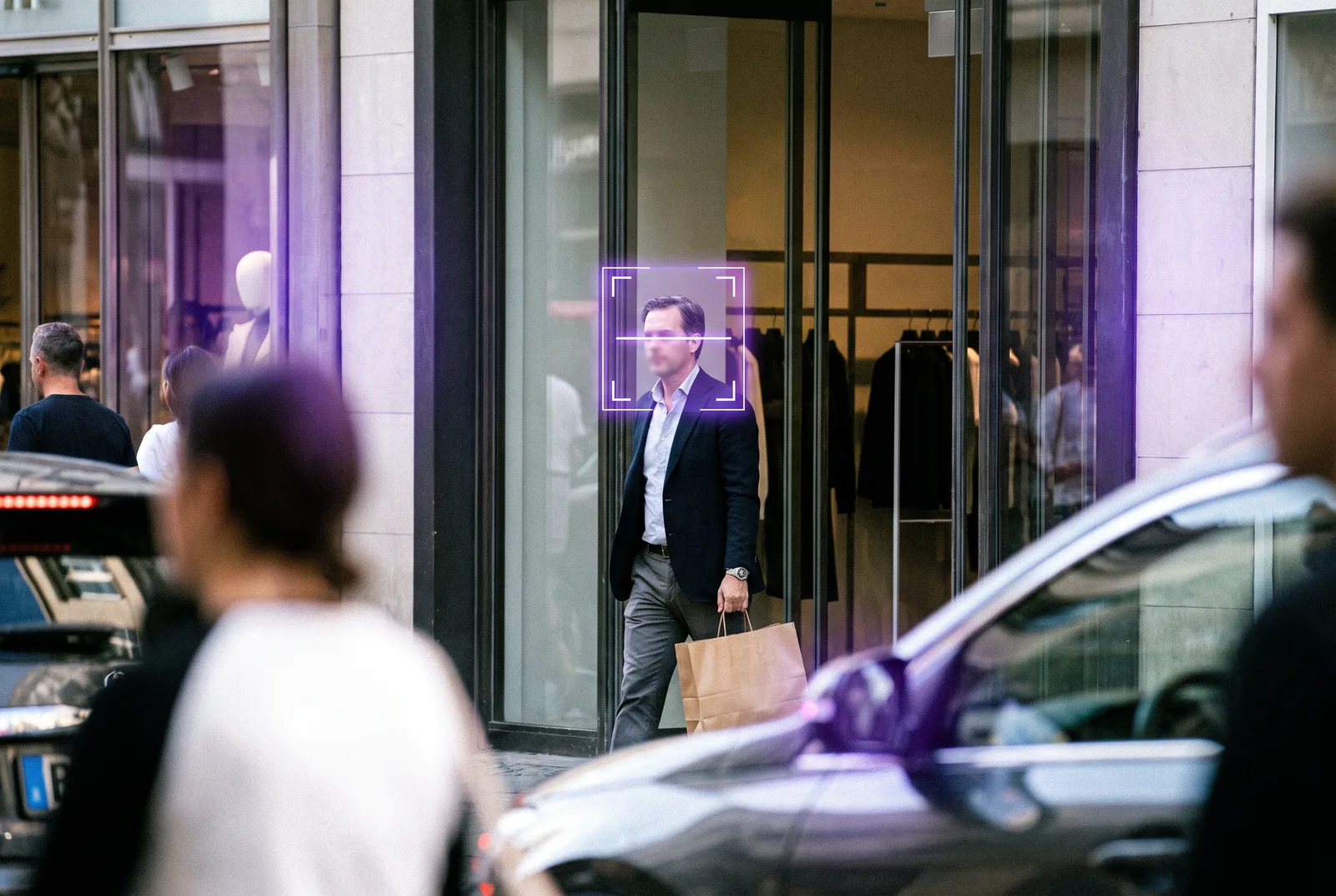
Face search crosses it. The model can run person-first now. Pick the target by what they’re wearing or where they’re shopping, then let the databases produce the address. The casing still happens. It just happens after you’ve been chosen, at a house they already know to watch. If that sounds like a small change, it isn’t. It flips who gets robbed from “whoever the night offered” to “whoever a stranger decided looked worth it.”
What a photo of you hands them
A single clear shot of your face is a more complete lead than most people expect. Run it through a face-search engine, cross-reference it with an open people-search broker, and it comes back with your name, matched from a tagged photo or an old profile or a public bio. Alongside the name it often returns your home address, past addresses, relatives, and phone numbers. And then it hands over the piece that ties it all together: where you work, and therefore the hours your house is empty, quietly advertised on a LinkedIn or a company page you set up for entirely innocent reasons.
None of that came from your house. It all came from your face, and none of it required the thief to know you, follow you, or do anything a passerby couldn’t do in a few seconds.
The “nobody’s home” signal
The last thing a burglar wants is to guess wrong about whether you’re inside. For most of the history of the crime, that guess was the risky part. Now your own accounts often answer it. Once your face is tied to your name, your public posts read like a calendar. The “heading to the airport” story. The vacation photos going up in real time. The race you’re running Saturday morning. A person-first burglar isn’t standing outside wondering if the house is empty. They’re reading it off your feed with their feet up.
Locks help. Not being findable helps more.
Cameras, alarms, and good locks are worth having. They raise the effort and the risk of the break-in itself, and sometimes that’s enough to send someone looking for an easier house. But every one of them defends the house, and the house was never the weak point in the person-first version. The weak point is the step that turned your face into your address. A camera doesn’t stop someone from knowing which house to point it at, or which weekend you’ll be three time zones away.
The thing that closes that step is making the face search come back empty. If your faceprint isn’t in the engines, the photo of you leaving the store leads nowhere. No name, so no address, so no schedule. The chain breaks at the first link, which is the only link the thief can’t work around.
Break the first link
That’s the job FacePrivacy does. We file opt-out and removal requests with the major facial-recognition engines, PimEyes, FaceCheck.ID, Lenso.ai and the rest. We log the confirmations, and we re-file when a fresh scrape puts you back, because these engines re-crawl the web constantly and a one-time opt-out rarely sticks. We can’t stop someone from noticing an expensive watch. We can make sure the photo of your face doesn’t resolve to a name, so “person worth robbing” never becomes “and here’s their address.”
Keep the locks. Keep the camera. Just remember that the target selection now starts with your face, and that’s the part a lock was never going to reach.
Don’t let a photo turn into your address.
FacePrivacy removes your faceprint from the major face-search engines and keeps it removed, so a casual photo of you can’t become your name, your home, and the hours it’s empty.
Protect your face →